
Why Certified Organic CBD Flower Matters — Inside Lovewell Farms’ Process
By Lovewell Farms · October 15, 2025 ·
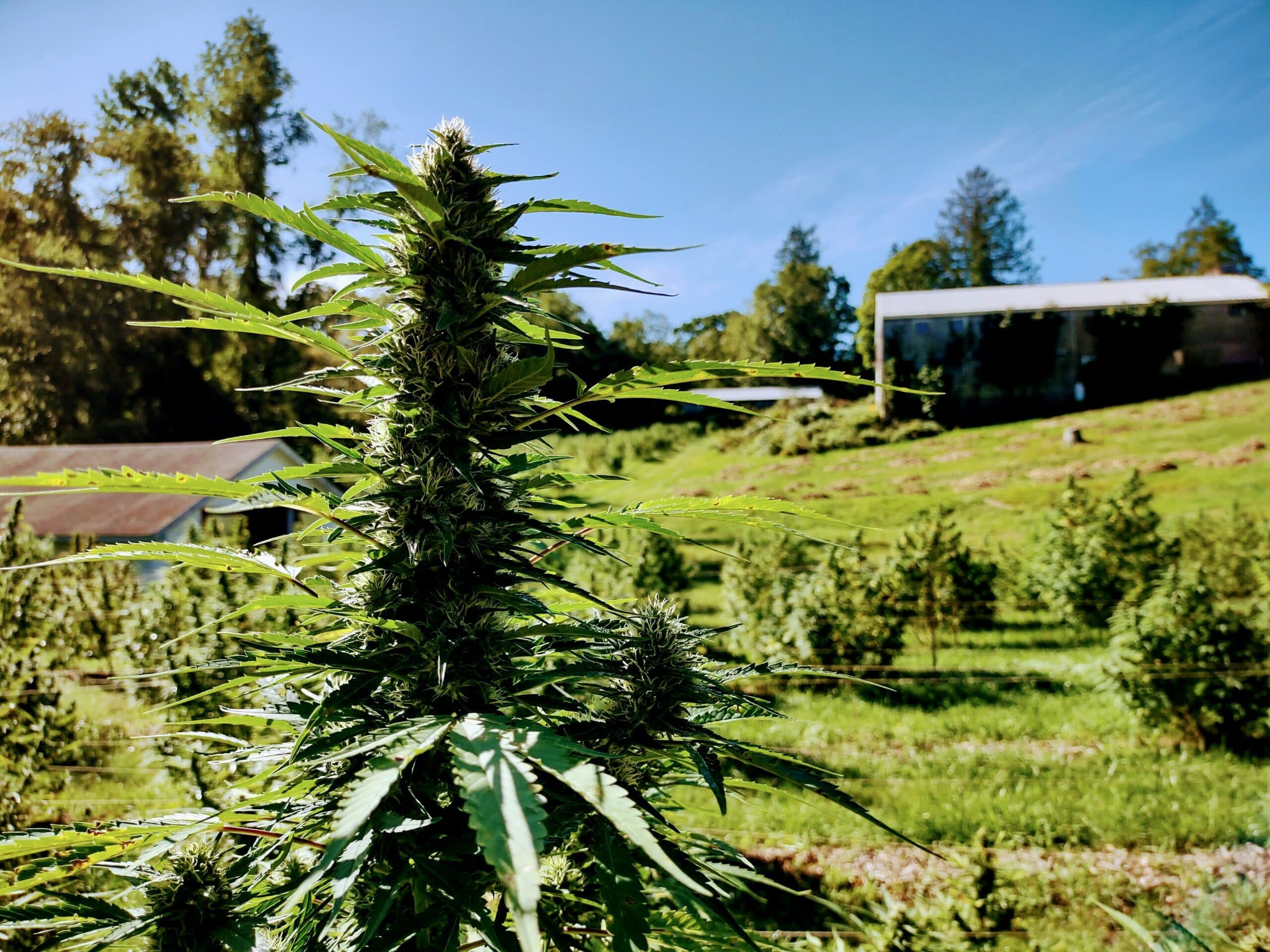
In today’s CBD marketplace, where thousands of brands compete for attention, credibility and transparency are more valuable than ever. “Organic” has become a common claim, but only farms that meet the USDA’s rigorous certification standards can truthfully label their hemp products as certified organic. This distinction represents more than clean growing practices—it reflects a commitment to environmental health, consumer safety, and agricultural integrity. For Lovewell Farms, Rhode Island’s only certified organic hemp flower producer, this certification isn’t just a badge—it’s the foundation of everything they grow, harvest, and share with the community.
What “Organic” Really Means for CBD Flower
In the crowded world of CBD, “organic” is one of the most powerful differentiators, but many brands misuse it as a marketing buzzword. The only way to guarantee that a CBD flower is truly organic is through organic certification.
Lovewell Farms holds a unique position as the only hemp farm in Rhode Island with organic certification for its hemp flower, giving consumers a rare local option they can trust.
In this article, you’ll learn what organic certification really means, how Lovewell Farms earned it, and why it matters for your health, the planet, and product integrity.
The Organic Certification Explained
What Is the National Organic Program (NOP)?
The USDA’s National Organic Program (NOP) sets the standards that govern organic labeling and certification across the U.S.
Under the 2018 Farm Bill, hemp grown under the Domestic Hemp Production Program can be certified organic if it meets all NOP standards.
Organic Certification Overview
Key Certification Requirements
To achieve certification, hemp growers must:
- Use no synthetic pesticides, fertilizers, or GMOs
- Maintain soil health with compost, cover crops, and crop rotation
- Manage weeds and pests organically through biological or mechanical methods
- Keep full traceability and records from seed to sale
- Pass annual inspections by accredited certifiers
Each stage — soil, cultivation, harvest, and post-processing — must be verified for compliance.
Learn about Hemp Certification Standards (PDF)
How Lovewell Farms Earned Its Certification
A Commitment to Integrity
Located in Hope Valley, Rhode Island, Lovewell Farms is a small-batch, family-run operation focused on quality, transparency, and environmental stewardship.
Our Organic Process
- Soil Building – Compost, cover crops, and organic teas strengthen soil biology
- Seed Selection – GMO-free, stable hemp genetics optimized for New England conditions
- Natural Pest Management – Beneficial insects, neem oil, and trap crops replace chemicals
- Efficient Irrigation – Drip systems minimize water use and runoff
- Harvest and Cure – Dried and cured naturally with zero synthetic preservatives
- Testing and Traceability – Third-party labs verify purity, potency, and safety
Lovewell’s certification was issued by a accredited agency (such as Baystate Organic Certifiers), ensuring every step is inspected annually for compliance.
Baystate Organic Certifiers – Hemp Production
Why Certified Organic CBD Flower Is Better
1. Health and Safety
- No chemical pesticide or fertilizer residue
- Tested for heavy metals and microbial contaminants
- Transparency through third-party lab COAs
2. Environmental Stewardship
- Improved soil fertility and biodiversity
- Reduced chemical runoff and pollution
- Sustainable practices that help sequester carbon
Meta-Analysis: Organic Farming and Environmental Benefits
3. Consumer Trust
The organic seal is federally verified and legally protected. Unlike vague claims such as “organically grown,” certified farms undergo yearly audits and testing.
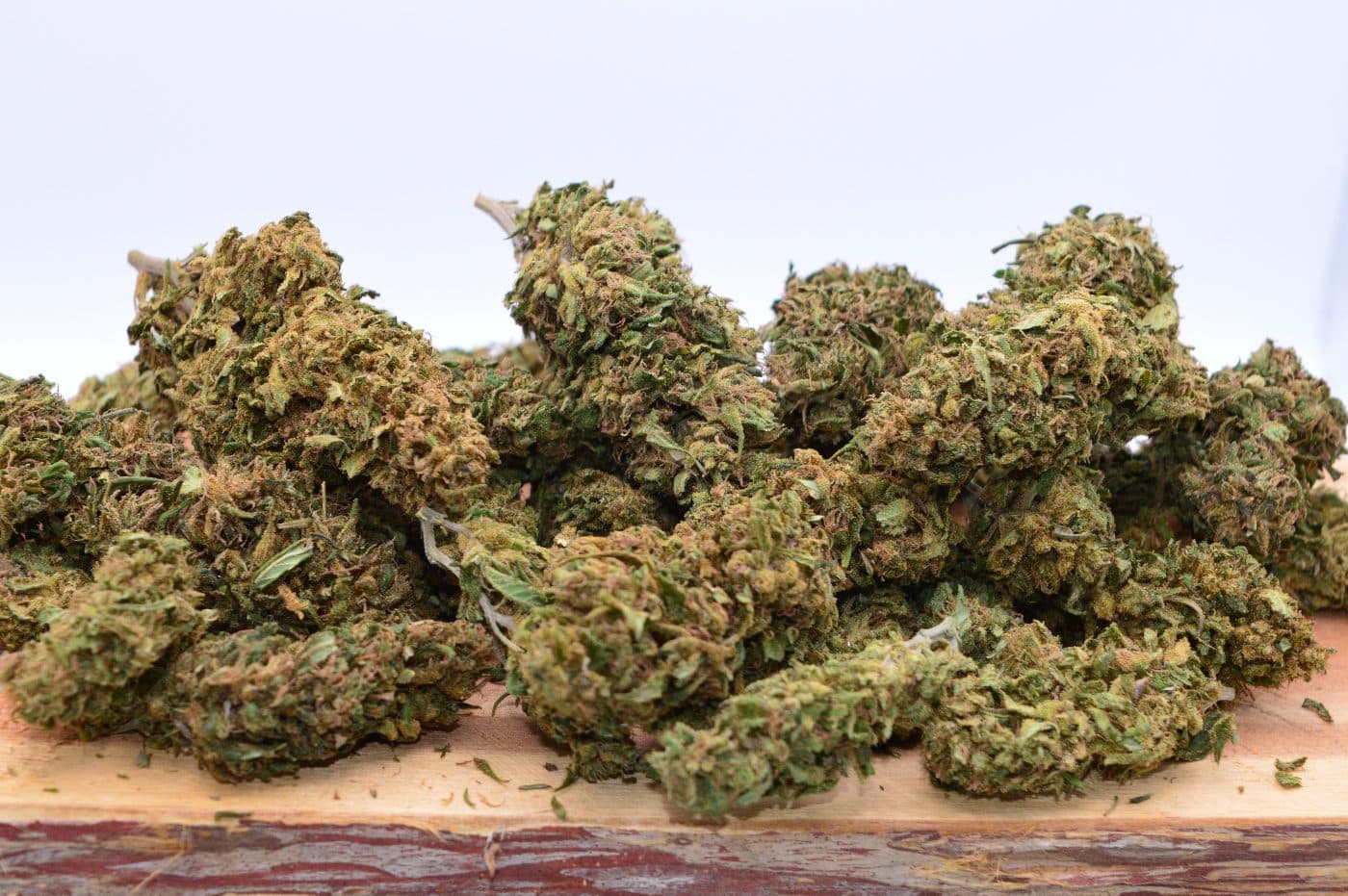
How to Choose Safe and High-Quality Organic CBD Flower
Here’s what smart CBD buyers should look for:
- Organic Seal: Why It Matters Legal verification; What to Look For The green “Organic” logo on the product.
- COA (Certificate of Analysis): Why It Matters Confirms lab testing; What to Look For Cannabinoid profile and contaminant-free results.
- Third-Party Testing: Why It Matters Prevents bias; What to Look For COA lists lab name, batch number, and date.
- Traceability: Why It Matters Ensures origin authenticity; What to Look For Farm name, location, harvest batch.
- Packaging and Storage: Why It Matters Protects freshness; What to Look For Airtight, UV-proof, tamper-evident packaging.
Conclusion
Achieving organic certification isn’t easy. It requires years of dedication, documentation, and sustainable growing. For Lovewell Farms, it’s the only way to grow.
By staying true to organic farming, we deliver clean, safe, and truly natural CBD flower, supporting both your wellness and the health of the planet. For Rhode Island and New England consumers, that means transparency you can trust, from our soil to your hands.
FAQs — Certified Organic CBD Flower
What makes certified organic CBD flower different?
It’s grown without synthetic chemicals, under strict inspection, ensuring purity and compliance at every step.
Can all hemp farms get certification?
Only if they meet every NOP standard and are inspected by an accredited certifier.
Is “organically grown” the same as certified organic?
No. “Organically grown” is not regulated; “certified organic” is a legal, audited designation.
Does organic farming really help the environment?
Yes. Studies show organic farms support biodiversity, soil carbon, and pollinator health.
Read More
Where can I buy certified organic CBD flower?
From certified organic farms like Lovewell Farms, which publishes COAs and transparency reports for every product.
References and Further Reading
- National Organic Program (NOP): https://www.ams.usda.gov/rules-regulations/organic
- NOP 2040 Hemp Certification Guide (PDF): https://www.ams.usda.gov/sites/default/files/media/NOP%202040%20Hemp%20Instruction.pdf
- Organic Hemp Standards — OTA: https://ota.com/advocacy/organic-integrity-standards/organic-standards/organic-hemp-and-hemp-products
- Baystate Organic Certifiers – Hemp Program: https://baystateorganic.org/hemp-production/
- Project CBD — CBD User’s Guide (COA guidance): https://projectcbd.org/safety/cbd-for-beginners/ Project CBD
- FiBL Meta-Analysis: Organic Farming and Environment: https://www.fibl.org/en/info-centre/news/organic-farming-environment-society-meta-analysis-results
- ERS — Organic Agriculture Overview: https://www.ers.usda.gov/topics/natural-resources-environment/organic-agriculture/