
Why Hemp Absorbs Whatever Is In the Soil It’s Grown In
By Lovewell Farms · July 26, 2026 · CBD Education
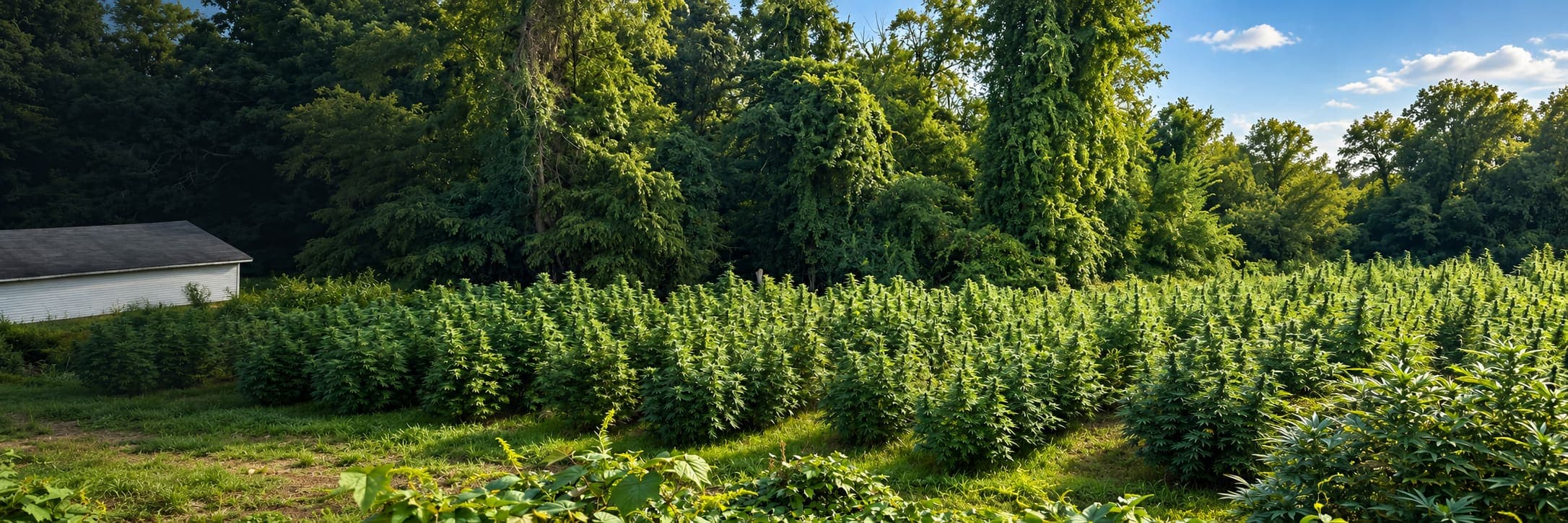
Field-grown hemp at Lovewell Farms — soil history determines what ends up in the plant.
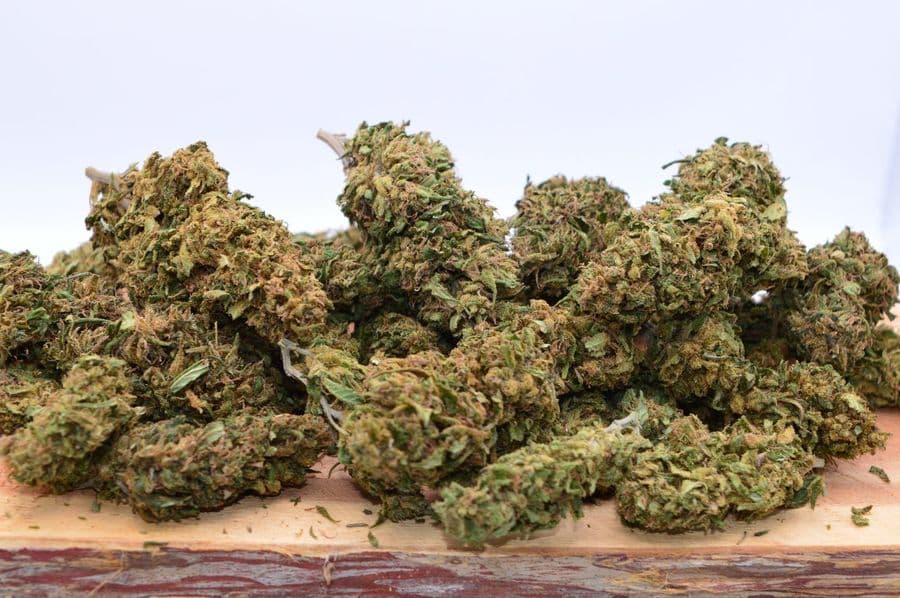
Field-grown hemp at Lovewell Farms — soil history determines what ends up in the plant.
Hemp is such an efficient bioaccumulator that it’s been used to help clean up contaminated land, including fields near the Chernobyl disaster site. That’s a useful trait for environmental remediation. It’s a much more complicated one when the same plant is being grown for a wellness product. Peer-reviewed research on hemp and soil contamination has measured root concentrations of metals like cadmium, lead, and arsenic reaching levels far higher than in the surrounding soil. We’ve written before about the regenerative practices we use on our fields in Hope Valley; this post is about the specific science behind why those practices aren’t optional for a crop like hemp.
What “bioaccumulator” actually means
Plants take up water and nutrients through their roots, and some plants are far less selective about what comes along for the ride than others. Hemp has deep, extensive root systems and a demonstrated ability to pull heavy metals, and in some cases PFAS, out of soil and concentrate them in its tissue — predominantly in the roots, but measurably throughout the plant. Research on industrial hemp grown in contaminated soil has documented this uptake directly, which is exactly why hemp shows up in phytoremediation studies as a tool for extracting contamination from polluted land.
Why this makes hemp different from most food crops
Most crops grown for food or wellness products aren’t chosen for their bioaccumulation ability — it’s a downside to be managed, not a feature. For hemp, that means the safety of the finished product depends heavily on two things stacked on top of each other: what was already in the soil before a single seed went in the ground, and what gets added — or avoided — during the growing season. A lab test on the finished flower only tells you the result. It can’t tell you why a batch tested clean or dirty, and it can’t fix a field with a bad input history.
Why growing practices come first, and testing comes second
This is the part that’s easy to miss: lab testing is a checkpoint, not a growing method. It catches contamination after the fact — it doesn’t prevent it. The only way to reliably keep heavy metals and pesticide residue out of the finished plant is to control what touches the soil and the crop for years beforehand: no synthetic pesticides or fertilizers, and a documented land history showing what was applied to the field in past seasons. That’s the standard our fields are held to under organic certification, which requires three full years of clean land history before a crop can be certified in the first place.
We still test every harvest through a state-licensed independent lab for heavy metals and pesticide residue, regardless of the organic certification — you can see batch-level results for any of our organic hemp flower on our Certificates of Analysis page. If you want a walkthrough of how to actually read one of those reports, we’ve broken that down separately in our COA buyer’s guide. But the testing is the last checkpoint, not the whole strategy.
What this means when you’re comparing hemp products
Given how bioaccumulation works, a heavy-metals pass on a Certificate of Analysis is reassuring, but it’s a snapshot of one batch, not a guarantee about a farm’s underlying practices or land history. A farm that’s transparent about where and how it grows — and that can show a multi-year clean input record, not just a single passing lab result — is a meaningfully different bet than one that only shows you the test at the end.
Frequently Asked Questions
What does it mean that hemp is a “bioaccumulator”?
It means hemp is unusually effective at absorbing substances from the soil it’s grown in — including heavy metals like lead, cadmium, and arsenic — and concentrating them in its root and plant tissue.
Is bioaccumulation unique to hemp?
No, many plants take up some soil contaminants, but hemp’s root structure and uptake efficiency make it especially effective — efficient enough that it’s used in phytoremediation projects to help clean contaminated land.
Can lab testing alone guarantee hemp flower is free of heavy metals?
Lab testing tells you the result for a specific tested batch, but it can’t fix or explain a field with a poor input history. Clean growing practices and documented land history are what actually prevent contamination in the first place; testing verifies the outcome.
Does organic certification address heavy metal risk in hemp?
Indirectly, yes. organic certification requires three years of documented clean land history and bans synthetic pesticides and fertilizers, which reduces (though doesn’t by itself guarantee against) contamination risk.
How does Lovewell Farms manage this risk?
Through Certified Organic growing practices on our own fields, plus independent, state-licensed lab testing of every harvest for heavy metals and pesticide residue — results are posted on our Certificates of Analysis page.
References & Further Reading
- MDPI — Cannabis sativa L. Phytoremediation of Heavy Metal Soil Contamination
- ScienceDirect — Investigating the Potential of Heavy Metal Accumulation from Hemp
- eCFR — 7 CFR 205.206, Crop pest, weed, and disease management practice standard
These statements have not been evaluated by the Food and Drug Administration. This product is not intended to diagnose, treat, cure, or prevent any disease. Always check your state and local regulations, as well as your employer’s policies, before purchasing or using hemp products.