
Organic Isn’t the Only Certification We Carry
By Lovewell Farms · July 12, 2026 · Organic CBD Hemp Flower
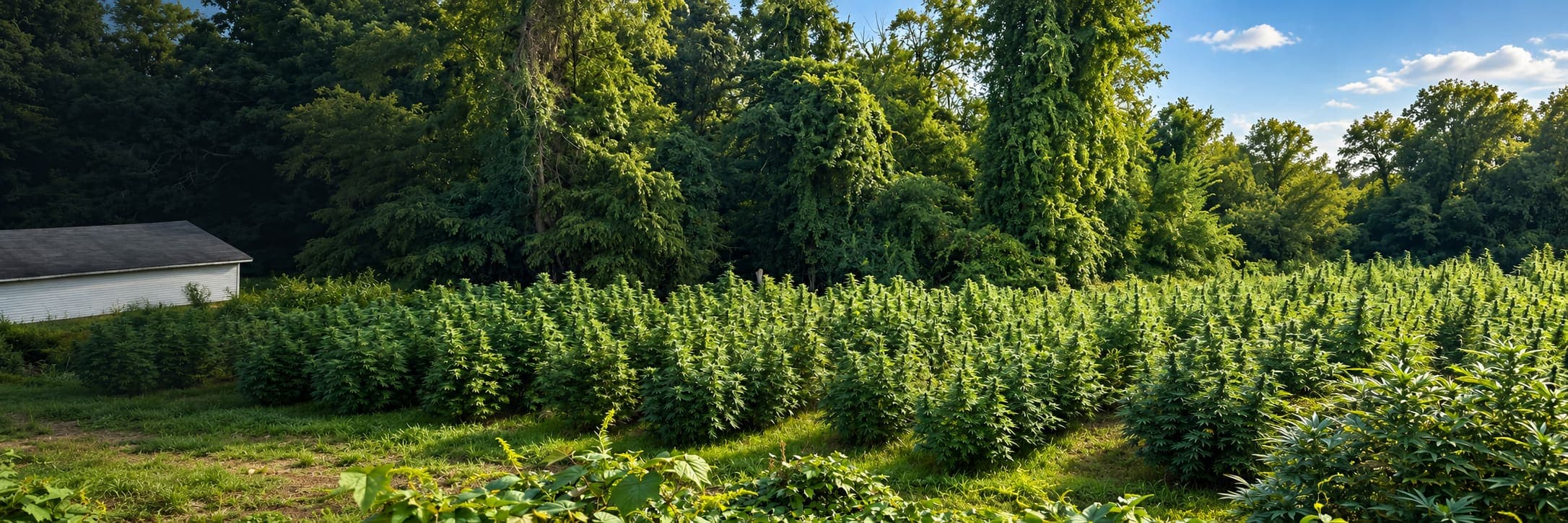
Our fields in Hope Valley, Rhode Island — certified by both Organic and the Real Organic Project.
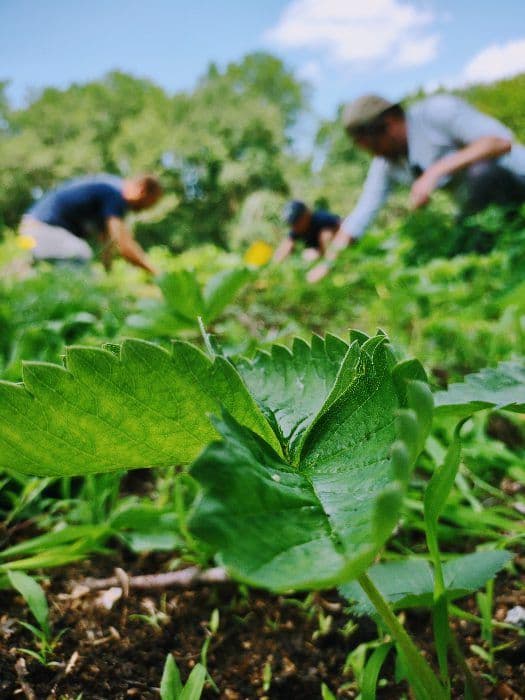
Our fields in Hope Valley, Rhode Island — certified by both Organic and the Real Organic Project.
We’ve already written about what it takes to earn Certified Organic status for hemp flower — soil transition periods, banned synthetic inputs, annual inspections. That certification is the floor most credible hemp farms should be held to. It’s also not the only certification Lovewell Farms carries. We’re also listed with the Real Organic Project, a farmer-led add-on label most shoppers have never heard of. Here’s why we bothered with a second certification on top of the one we already had.
Why a second organic label exists at all
The Real Organic Project was started in 2018 by a group of longtime organic farmers, including Vermont grower Dave Chapman, who felt the organic standard had been stretched further than they were comfortable with — most notably by allowing large hydroponic and container operations, which grow crops in nutrient solution rather than living soil, to carry the same organic seal as a soil-based farm like ours. Modern Farmer covered the split in detail when the add-on label launched. Real Organic Project doesn’t replace certification — it’s only available to farms that are already certified organic — it adds a second, independent layer on top.
What Real Organic Project checks that doesn’t
- Crops must be grown in living soil — hydroponic and container production is capped at roughly 1% of gross farm income, effectively ruling it out.
- Inspections are unannounced, rather than scheduled in advance with the farm.
- Farms that also raise livestock must meet defined animal welfare standards.
- Inspection findings are made public rather than kept internal — you can look up the standards yourself on the Real Organic Project standards page.
How our fields qualify for both
Our hemp is field-grown in living soil on our farm in Hope Valley, Rhode Island — the same fields covered by our organic certification and described in how we approach sustainable, regenerative growing. Real Organic Project inspectors verify that independently, on top of our annual inspection. You can check our listing directly in the Real Organic Project farm directory rather than taking our word for it.
That double verification carries through to the finished product: our flagship Certified Organic hemp flower and the rest of our organic hemp flower line are also batch-tested by an independent lab, with results posted on our Certificates of Analysis page.
Why this matters if you’re comparing hemp brands
Both certifications are things you can go check yourself rather than take a brand’s word for: the maintains a public organic integrity database, and Real Organic Project publishes inspection standards and its farm directory openly. When a brand’s organic claim can be verified in two independent places instead of one, that’s a meaningfully different level of accountability than a bag that just says “natural” on the label.
Frequently Asked Questions
What’s the difference between Organic and Real Organic Project certification?
Organic is a federally regulated certification covering inputs, land history, and recordkeeping. Real Organic Project is a separate, farmer-led add-on that only certifies farms already holding organic status, and adds requirements like soil-grown (no hydroponic) production and unannounced inspections.
Is Real Organic Project a government certification?
No. It’s a nonprofit, farmer-run add-on label. It doesn’t replace certification — a farm has to be organic first to even apply.
Does Lovewell Farms grow hemp hydroponically?
No. Our hemp is grown in living soil in our fields in Hope Valley, Rhode Island, which is a requirement for both our organic status and our Real Organic Project listing.
Why do some organic farms carry a second certification?
Because organic rules permit some practices, like hydroponic growing, that some farmers and shoppers don’t consider consistent with traditional organic farming. Add-on labels like Real Organic Project exist to signal a stricter standard.
How can I verify Lovewell Farms’ certifications myself?
You can look up our listing in the Real Organic Project directory, and check batch-level lab results on our Certificates of Analysis page.
References & Further Reading
- Real Organic Project — official site
- Real Organic Project — Standards
- Real Organic Project — Lovewell Farms directory listing
- Modern Farmer — “The Real Organic Project: Disgusted With the USDA, Farmers Make Their Own Organic Label”
- USDA — National Organic Program
These statements have not been evaluated by the Food and Drug Administration. This product is not intended to diagnose, treat, cure, or prevent any disease. Always check your state and local regulations, as well as your employer’s policies, before purchasing or using hemp products.